San Francisco, CA
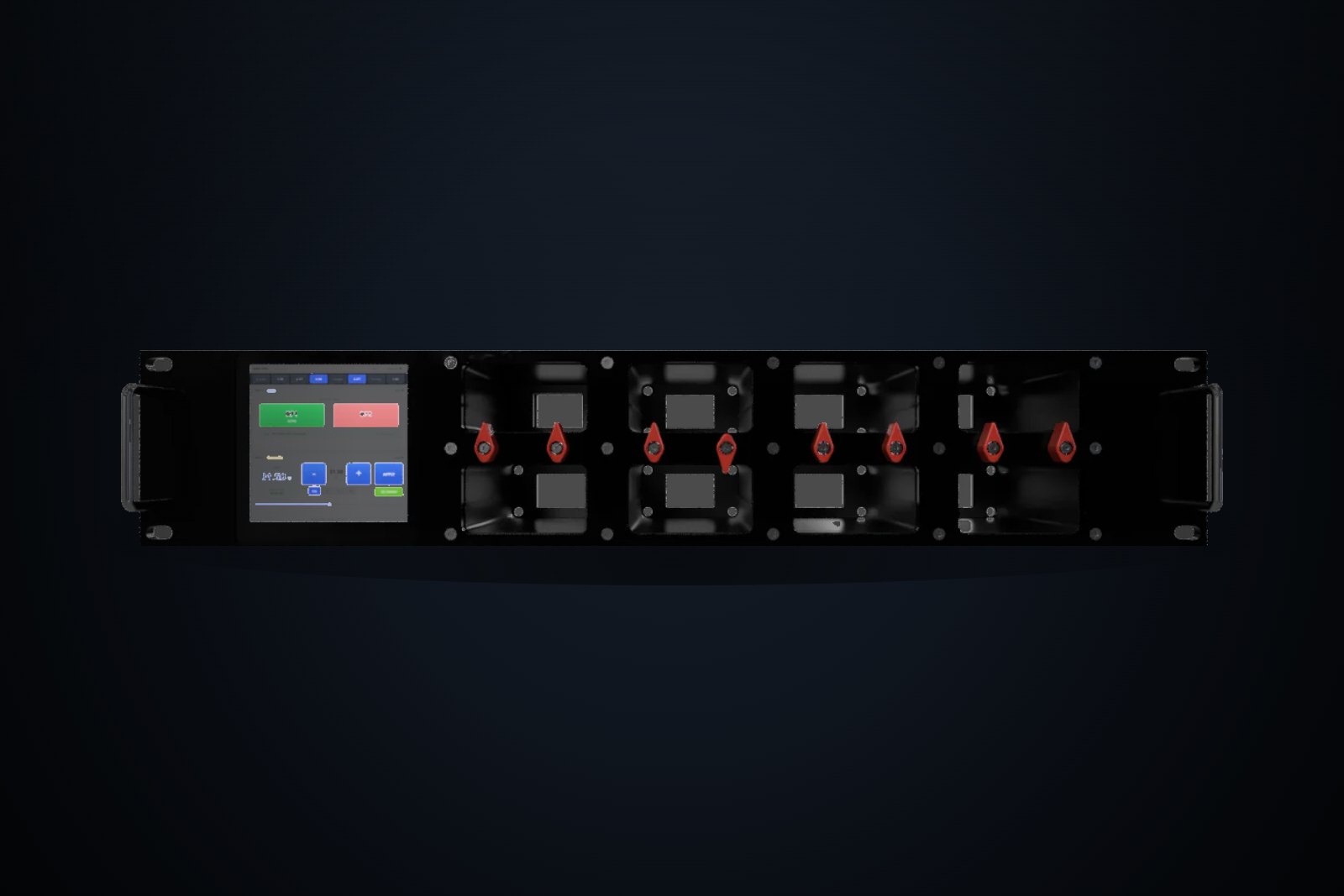
Nine Fives builds networked, driverless RF test equipment for teams building next-generation spacecraft, drones, and wireless hardware. It was founded by two SpaceX engineers who lived the problem: CEO Noah Levy built the radios and phased-array calibration systems on Falcon 9, Dragon, and Starship, and COO Andrew Kurtz spent nearly a decade delivering aerospace hardware at SpaceX and Boeing. Their attenuators, switches, and power meters install no drivers and work within seconds of being plugged in, controlled over USB-C or Power over Ethernet through a web UI, REST API, or SCPI. The result turns a rack of test gear into a single, version-controlled source of truth engineers actually want to use.

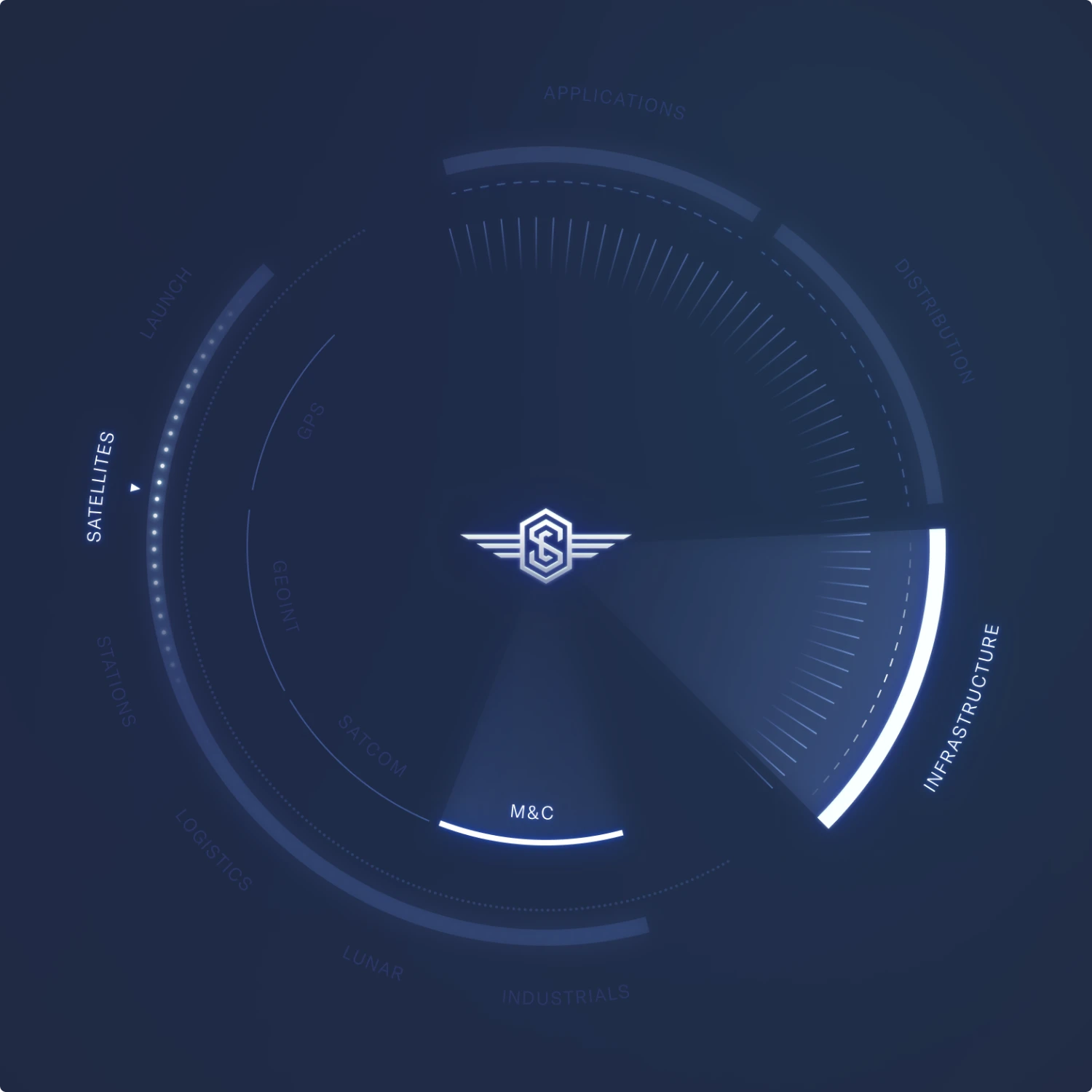
Nine Fives sits in the Infrastructure layer of our Space Economy framework — the tooling and components that make building orbital hardware faster and cheaper. As launch cadence climbs (SpaceX alone averaged close to one mission every two days in 2025) and phased-array and SatCom hardware proliferate on the ground and in orbit, RF test throughput becomes a gating constraint on how quickly that hardware ships. Nine Fives attacks the constraint directly, converting a manual, instrument-bound process into networked, automatable infrastructure. It reflects a pattern we invest behind: operators who lived a problem inside the category's defining company, then built the pick-and-shovel tooling the next wave of hardware depends on. Because the same equipment serves adjacent RF-intensive markets — drones and wireless devices — a company born in space carries demand well beyond it.